
Travelogues
JR West Retires Hello Kitty Shinkansen: Route & Pass Impact
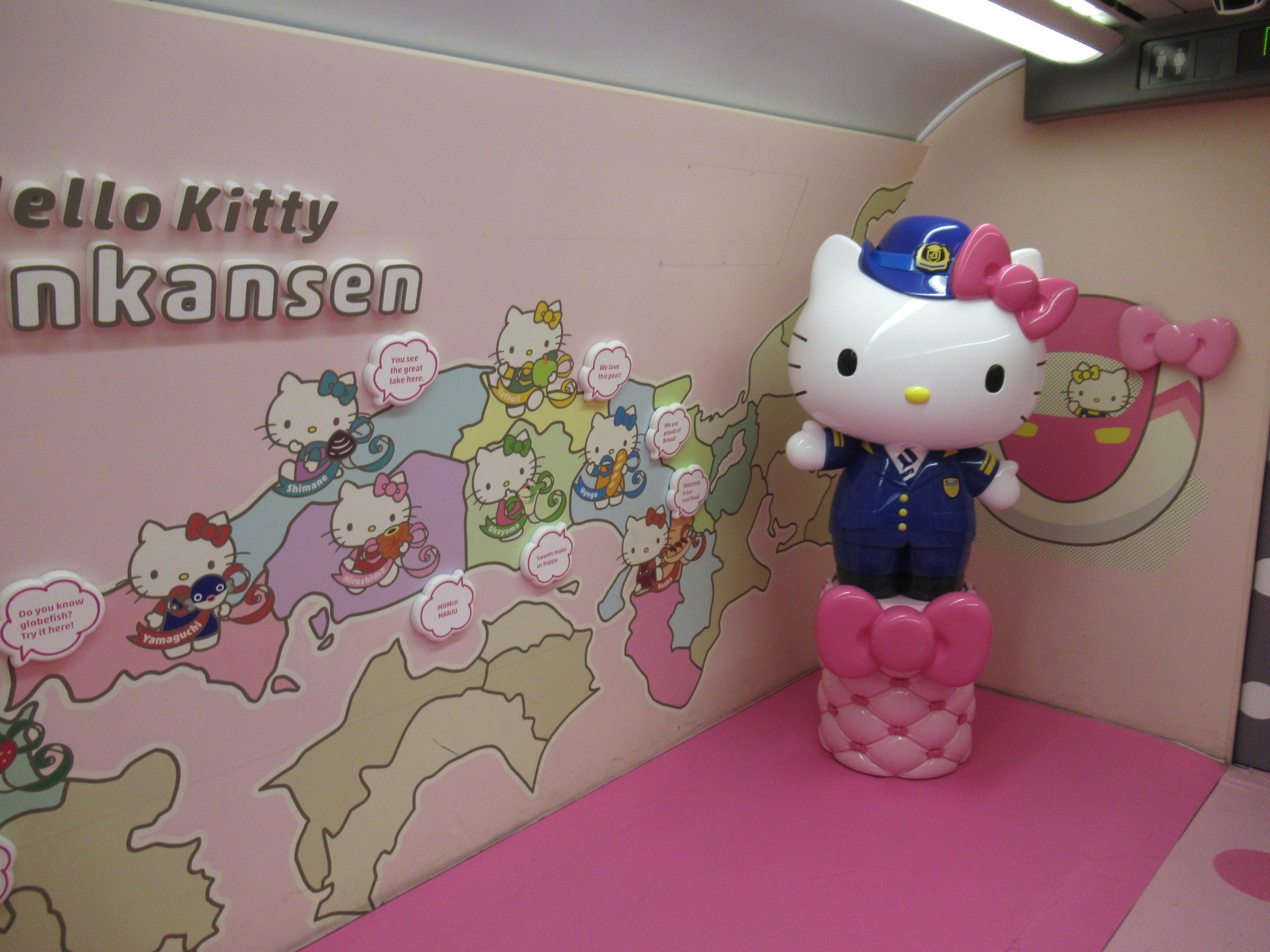
On May 24, 2026, JR West retired the 500 Series Hello Kitty Shinkansen after an eight-year run, leaving a permanent gap in regional timetables between Shin-Osaka and Hakata.
While the retirement of this customized 500 Series train (specifically the eight-car V2 set) is a blow to character-train enthusiasts, it represents a necessary operational adjustment for West Japan Railway Company. The 500 Series platform, which entered service in 1997, is facing systemic fleet retirement due to its age, high maintenance overhead, and non-standardized cabin geometry.
Technical Reality: Why the 500 Series is Being Phased Out
The 500 Series Shinkansen was pioneering for its time, designed to reach speeds of 300 km/h with a distinctive 15-meter aerodynamic nose. However, this design carries modern operational liabilities:
- Reduced Cabin Volume: The circular cross-section of the fuselage limits overhead baggage space and window-seat headroom compared to the boxier, modern N700A and N700S series.
- Inconsistent Door Placement: The end cars of the 500 Series have only one passenger door per side instead of two, complicating boarding timetables and preventing the installation of standardized platform barrier doors at key stations.
- Parts Obsolescence: Sourcing components for the remaining 500 Series fleet has become increasingly inefficient. JR West is progressively standardizing its Sanyo Shinkansen fleet to 8-car N700-series trainsets to streamline maintenance.
The Impacted Route: Decommissioned Timetable
The Hello Kitty Shinkansen operated daily as a local Kodama service. It has now been replaced by standard N700-series rolling stock. The exact slots impacted by this transition are:
| Train Number | Departure Station | Departure Time | Arrival Station | Arrival Time |
|---|---|---|---|---|
| Kodama 840 | Hakata (Fukuoka) | 07:04 | Shin-Osaka | 11:25 |
| Kodama 849 | Shin-Osaka | 11:37 | Hakata (Fukuoka) | 15:53 |
Note: While the specific themed experience is gone, the physical timeslots remain active under standard fleet operations, maintaining identical corridor capacity.
Regional Pass Utility and Itinerary Planning
For international travelers utilizing JR regional passes, the removal of this train does not affect route validity, but it alters the logistical value of specific passes.
- Sanyo-San’in Area Pass & Kansai-Hiroshima Area Pass: These passes remain highly cost-effective for travel between Shin-Osaka, Hiroshima, and Hakata. However, because passengers can no longer target the Hello Kitty Shinkansen as an anchor attraction, itineraries should focus on transit speed.
- Transit Speed Optimization: Instead of booking the slow-moving Kodama (which stops at every station and takes 4 hours and 21 minutes), pass holders should utilize the faster Nozomi or Mizuho services (approx. 2 hours and 30 minutes) on the same corridor, which are fully covered by the Sanyo-San’in Pass.
Remaining Themed Trains in Japan (2026 Metrics)
For travelers seeking alternative themed rail experiences, several character-themed and sightseeing trains (Joyful Trains) continue to operate under JR management:
| Train Name | Operator | Route | Covered by Passes | Key Features |
|---|---|---|---|---|
| Hello Kitty Haruka | JR West | Kansai Airport to Kyoto/Osaka | Kansai Area Pass, Kansai-Hiroshima Pass | Custom-wrapped 281/271 series airport express. Multiple daily departures. |
| Anpanman Train | JR Shikoku | Okayama to Kochi / Takamatsu | All Shikoku Rail Pass, JR Whole Japan Pass | Dedicated internal play areas and character seating on 2700 series DMU. |
| Two Stars 4047 | JR Kyushu | Takeo-Onsen to Nagasaki | JR Kyushu Rail Pass | Premium design-and-story train highlighting the Ariake Sea coast. |
| A-Train | JR Kyushu | Kumamoto to Misumi | JR Kyushu Rail Pass | Jazz-themed retro-interior train aimed at adult leisure travelers. |
You may be interested in
Related blogs
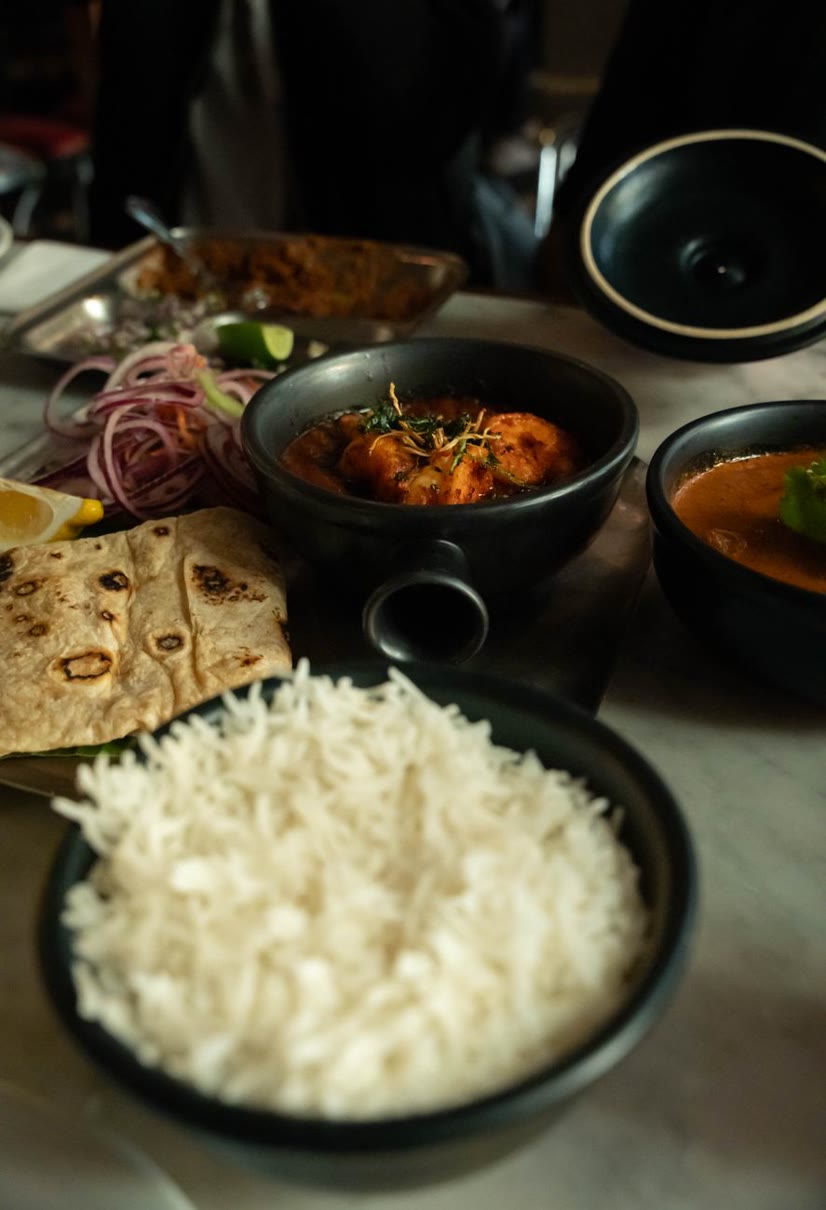
Patravali Cancun Review: Authentic Punjabi Dining in Puerto Cancun
Review of Patravali Indian Restaurant in Cancun's upscale Puerto Cancun district. The restaurant has unique cross-cultural culinary pedigree—featuring an Indian owner with great Punjabi and vegan fare. From its structural Golgappe presentation to its rich Tawa Subzi, we look at its select menu and overall value. #CancunDining #PuertoCancun #PatravaliCancun #IndianCuisineMexico #LuxuryTravelCancun

Delta 12Status Returns: How WA Residents Can Earn Miles This Season
Delta Air Lines kicks off the 10th anniversary of its Washington-exclusive 12Status program. Learn how to register, maximize mileage accrual based on Seahawks performance, and leverage elite perks at SEA airport for the 2026-2027 NFL season. #DeltaAirLines #SkyMiles #12Status #Seahawks #SeattleTravel
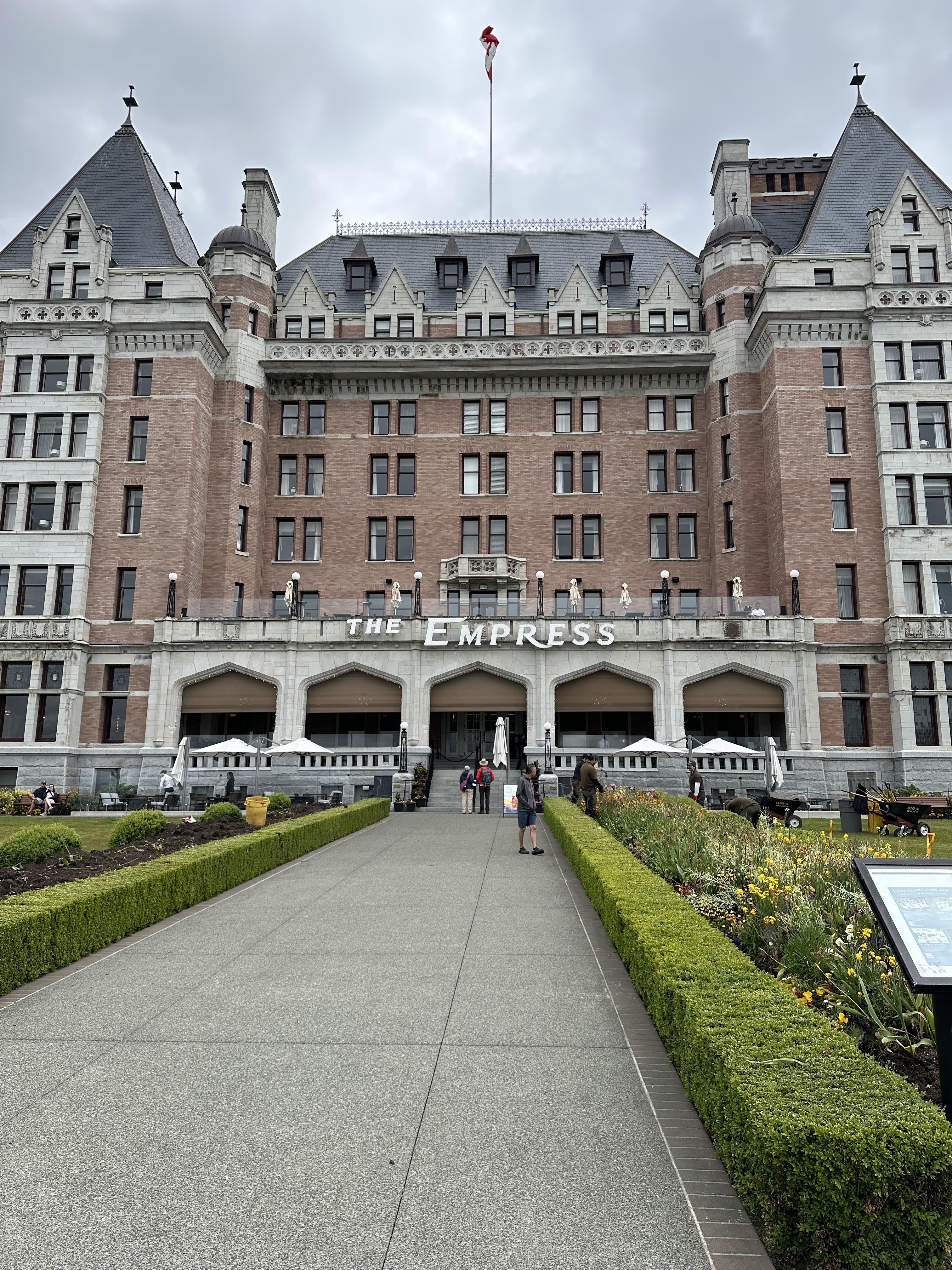
Fairmont Empress Review: Victoria's Iconic Grand Dame
An in-depth review of the Fairmont Empress in Victoria, British Columbia, leveraging an Amex Fine Hotels + Resorts booking. This article details the hotel's rich history, prime Inner Harbour location, guest experience from check-in to amenities, elite benefits, and overall value. Discover if this historic property lives up to its legendary status, including insights into room quality, dining, and service during a peak period. #FairmontEmpress #LuxuryHotels #VictoriaBC #FHR #HotelReview

Demise of Citi Custom Cash
Today, May 28, 2026, marks the end of Citi Custom Cash card via new applications or product change.